
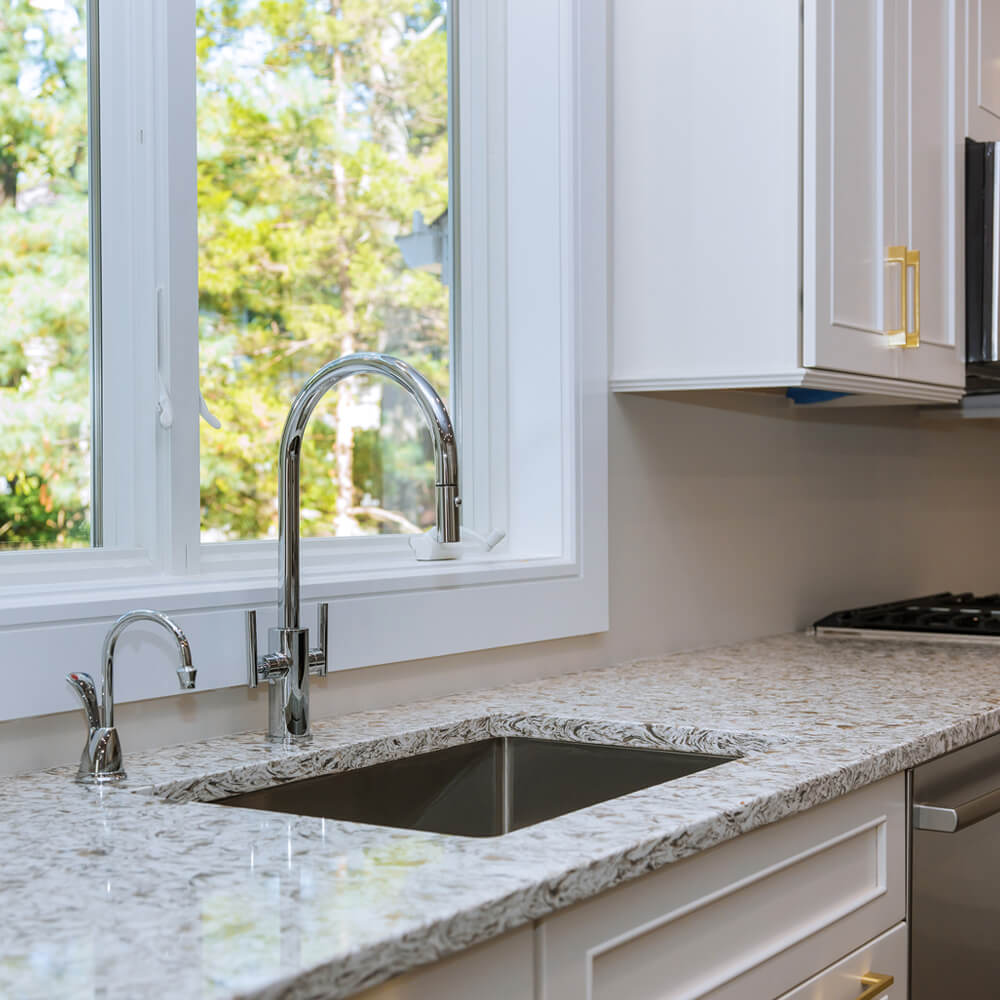

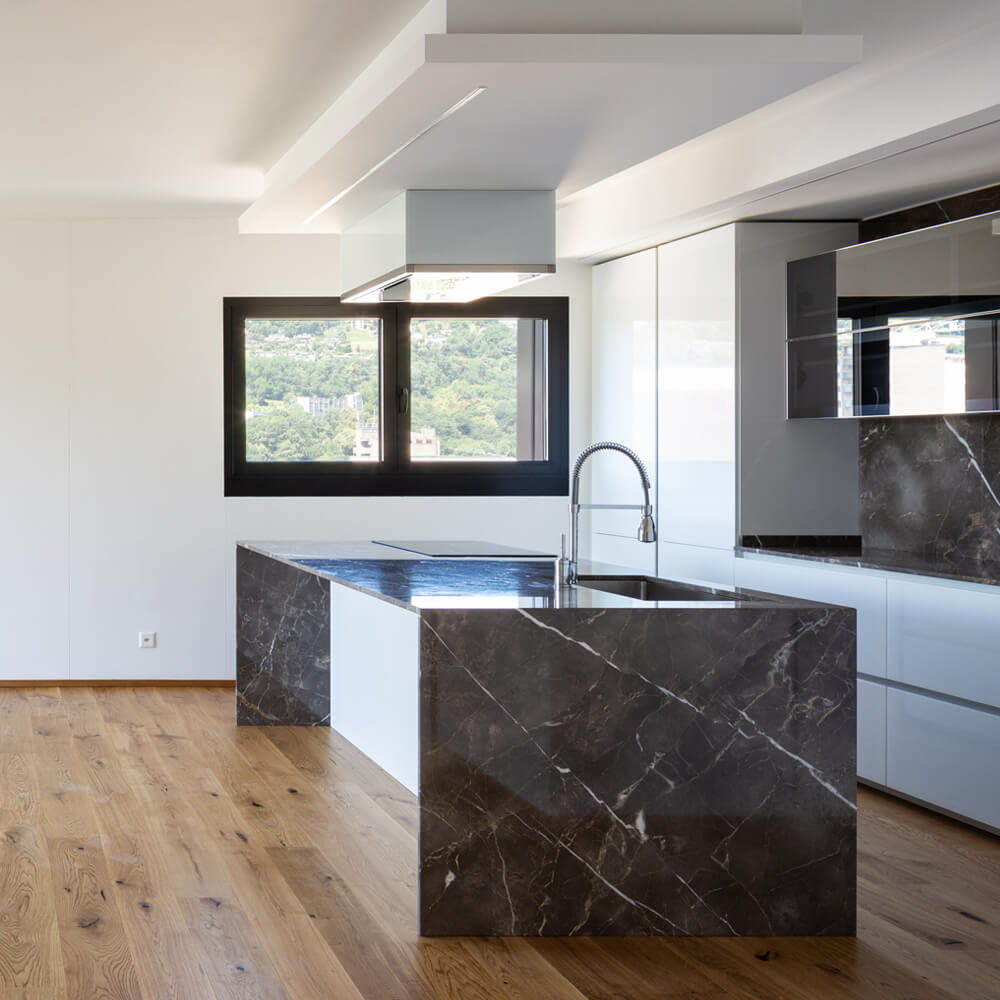
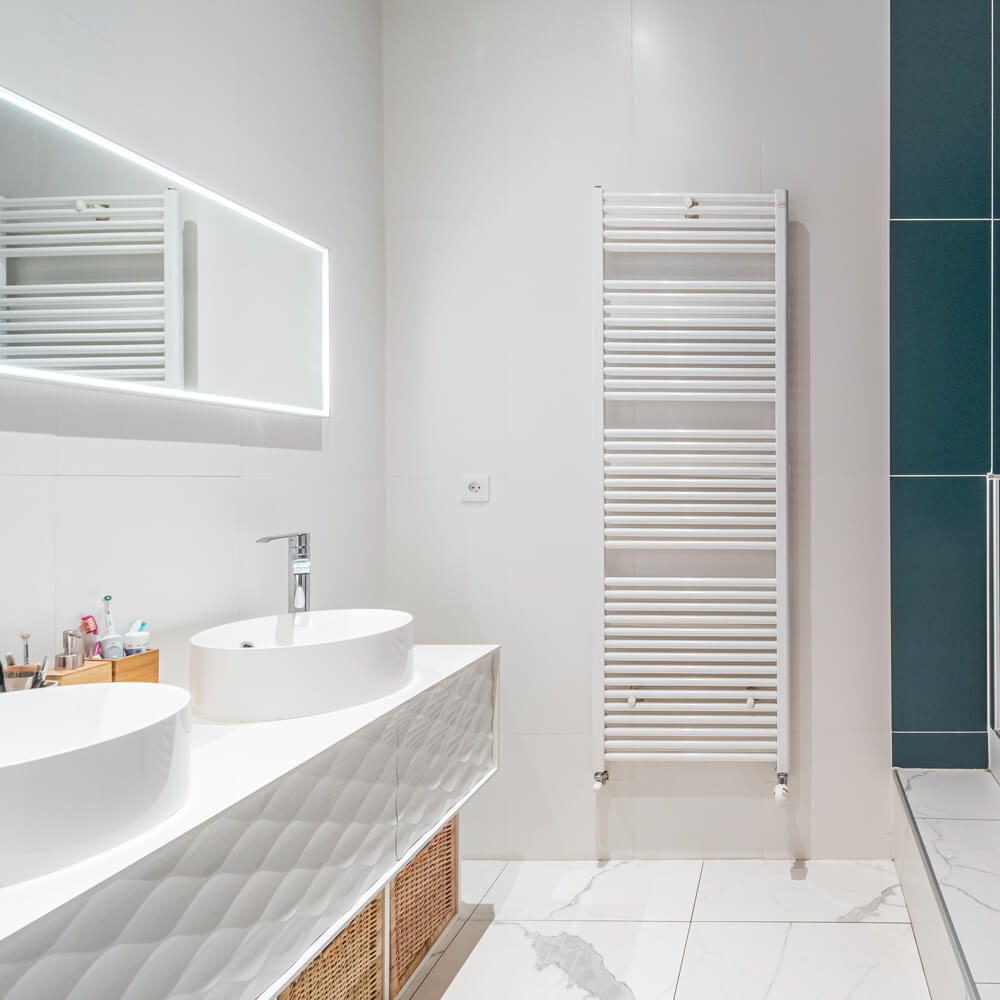
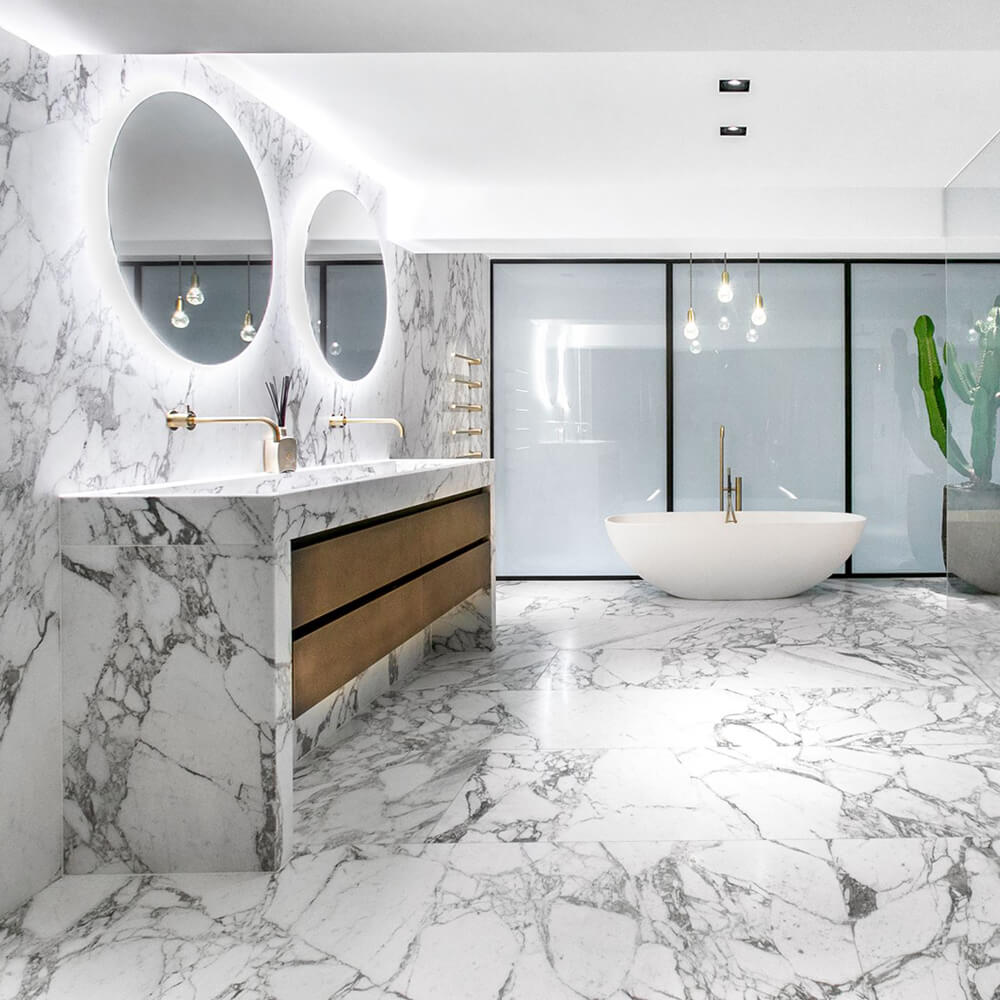


Granite countertops remain one of the most requested upgrades for kitchens and bathrooms across Tennessee. Homeowners often choose granite because it holds up well to daily use, resists heat, and adds long term value to a home. Still, installing granite is not a simple upgrade. It requires planning, correct measurements, proper fabrication, and skilled installation.
If you are considering granite countertops in Tennessee, knowing what to expect before installation can help you avoid delays and costly mistakes.
Why Granite Countertops Continue to Be Popular in Tennessee
Granite works well in Tennessee homes because it handles everyday wear without losing its appearance. Kitchens in this region often experience heavy use, frequent cooking, and seasonal humidity changes. Granite performs better than many surfaces in these conditions.
Another reason granite remains popular is its natural appearance. Each slab has its own pattern and color variation. Many homeowners prefer this over manufactured materials that look uniform. Granite also pairs well with common Tennessee home styles, including traditional, farmhouse, and modern layouts.
What Makes Granite Different From Other Countertop Materials
Granite is a natural stone formed over time. Because of this, no two slabs look exactly alike. Color tones, mineral specks, and veining vary even within the same stone name. Viewing full slabs before fabrication helps homeowners feel confident about their selection.
Granite is also heavier than most countertop materials. Cabinets must support the weight properly. Professional installers confirm this before moving forward with fabrication and installation.
Granite vs Other Countertop Materials
Homeowners often compare granite with quartz and marble before deciding.
| Material | Durability | Maintenance | Appearance |
| Granite | High | Moderate | Natural patterns |
| Quartz | High | Low | Consistent color |
| Marble | Medium | High | Soft veining |
Granite offers a balance of durability and natural beauty. It remains one of the most practical choices for busy kitchens.
Granite Slab Selection Matters More Than Many Homeowners Expect
Choosing a granite slab involves more than picking a color. The pattern flow, thickness, and natural features all affect the final result. Some slabs contain small natural fissures that are normal for granite. These do not weaken the stone, but homeowners should understand how they will appear once installed.
In Tennessee, many homeowners choose lighter granite colors for kitchens to keep spaces bright. Darker granite remains popular for bathrooms and islands. Seeing slabs in person helps avoid surprises once countertops are installed.
Tennessee Climate and Granite Countertop Installation
Tennessee experiences both humidity and temperature changes throughout the year. Granite handles these conditions well, but proper installation still matters. Professional installers allow room for slight movement and apply sealers that help protect the stone from moisture.
Granite used in outdoor kitchens or covered patios may need extra attention. Sealing and maintenance become more important when stone faces changing weather conditions.
Cabinet Preparation Before Granite Installation
Granite countertops rely on strong cabinet support. Before installation, cabinets must sit level and remain firmly secured. Any shifting or weakness can cause problems over time.
Installers usually inspect cabinets before taking final measurements. This step helps prevent cracks or stress points after the granite is installed. Addressing cabinet issues early saves time and avoids future repairs.
Fabrication Quality Plays a Major Role in Final Results
Fabrication shapes raw granite slabs into finished countertops. This process includes cutting, edging, polishing, and preparing sink openings. Precision during fabrication affects how seams align and how smooth edges feel.
Working with a local granite provider often leads to better results. Local fabricators understand regional preferences and home layouts. They also make communication easier throughout the project.
The Granite Countertop Installation Process
Granite installation follows a clear sequence. Final measurements take place after cabinets are installed. Fabrication happens off site, then the finished pieces are delivered and set in place.
Installers level the stone, secure seams, and apply sealers during installation. Most kitchen installations take one day once fabrication is complete. Larger kitchens or detailed layouts may take additional time.
Edge Profiles and Finishes Affect Appearance and Use
Granite countertops come with different edge styles that influence both look and safety. Many Tennessee homeowners prefer simple edges that are easy to clean and safe around children.
Polished granite remains the most common finish. It reflects light well and resists stains. Honed finishes offer a softer look but may show marks more easily. Choosing the right finish depends on how the kitchen or bathroom is used.
Sink and Faucet Planning Should Happen Early
Sink selection affects how granite is cut. Undermount sinks remain the most popular option for granite countertops in Tennessee kitchens. They provide a clean appearance and make cleanup easier.
Farmhouse sinks and specialty sinks require custom cutouts and added support. Faucet hole placement must also be finalized before fabrication begins, since changes after cutting can be difficult.
Sealing and Caring for Granite Countertops
Granite requires sealing to protect against stains. Most installers apply a sealer during installation. Some granite types need resealing over time, depending on use and exposure.
Daily care remains simple. Mild soap and water handle most cleaning needs. Avoid harsh cleaners and wipe spills promptly to maintain the stone’s appearance.
Why Local Experience Matters for Granite Projects
Choosing a local granite provider helps ensure smoother communication and better scheduling. Local teams understand Tennessee building styles and common kitchen layouts.
Companies that handle both fabrication and installation reduce errors caused by miscommunication. This approach also simplifies service support after installation.
Common Issues That Can Delay Granite Installation
Most problems occur when homeowners rush decisions. Skipping slab selection, delaying sink choices, or choosing weak cabinets can cause delays and added costs. Planning each step ahead of time helps keep projects on schedule.
Granite Countertops for Bathrooms and Smaller Spaces
Granite works well beyond kitchens. Bathroom vanities benefit from granite’s moisture resistance and strength. Smaller spaces also allow homeowners to experiment with darker or more detailed stone patterns.
Granite vanity tops often cost less than full kitchen installations while still adding visual appeal.
How Granite Countertops Impact Home Value in Tennessee
Granite countertops often increase buyer interest. Many buyers see stone countertops as a sign of quality. Homes with granite may attract more attention, especially when combined with updated cabinets and lighting.
While results vary, granite upgrades often support resale goals in competitive Tennessee markets.
Start Planning Your Granite Countertop Installation in Tennessee
If you are considering granite countertops in Tennessee, working with experienced professionals helps protect your investment. From selecting the right slab to completing a clean installation, proper planning makes a difference.
Contact Magnolia Granite today to review granite countertop options, schedule measurements, and take the next step toward upgrading your home with confidence.
FAQs
1. How long do granite countertops last in Tennessee homes?
Granite countertops can last for decades when installed properly and maintained with regular sealing and basic daily care.
2. Do granite countertops need sealing after installation?
Yes, most granite countertops need sealing to help prevent stains and moisture absorption. Some types may need resealing over time.
3. Is granite a good choice for Tennessee kitchens?
Granite works well in Tennessee kitchens because it handles heat, daily use, and seasonal humidity changes better than many surfaces.
4. Can existing cabinets support granite countertops?
Most cabinets can support granite if they are level and structurally sound. Installers usually inspect cabinets before installation.
5. Does granite countertop installation increase home value?
Granite countertops often increase buyer interest and can improve resale appeal, especially in competitive Tennessee housing markets.

Marble Countertop Installation Tips for Lasting Performance
10 Stunning Quartz and Granite Countertop Ideas for Modern Kitchen Interiors
