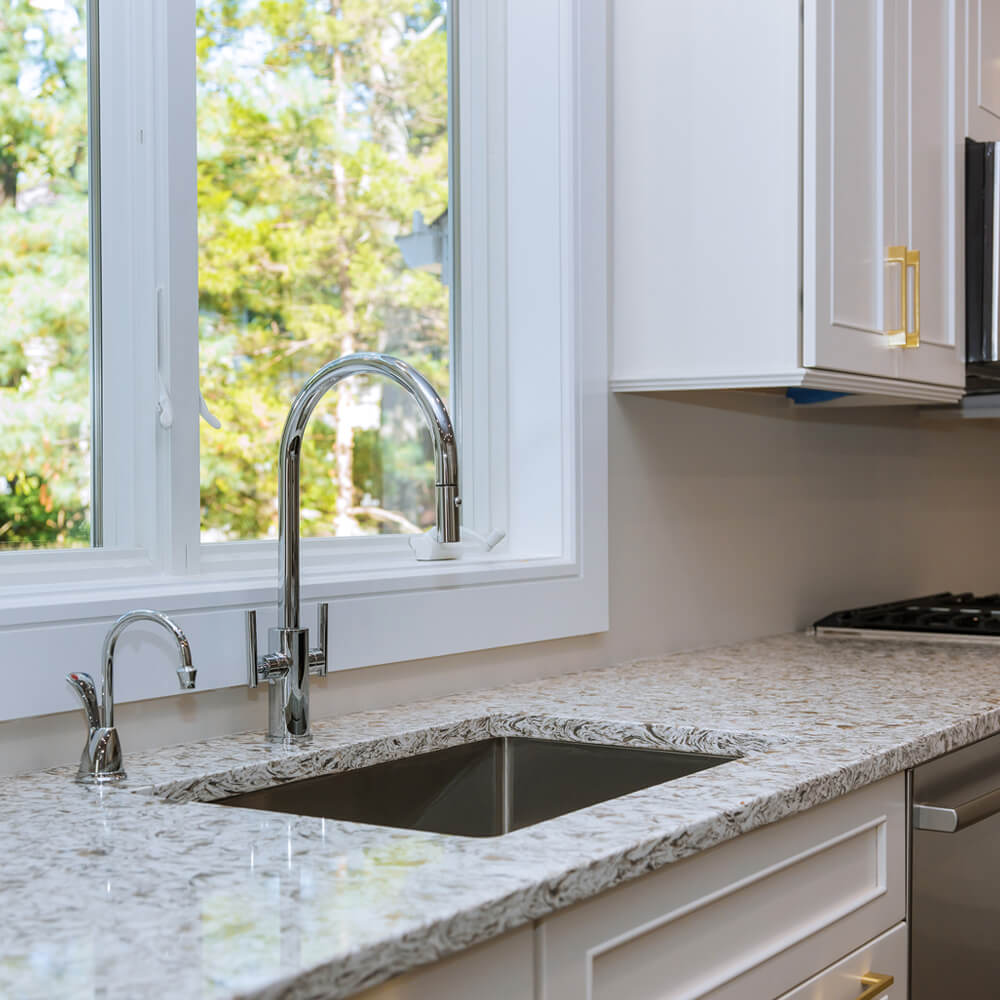

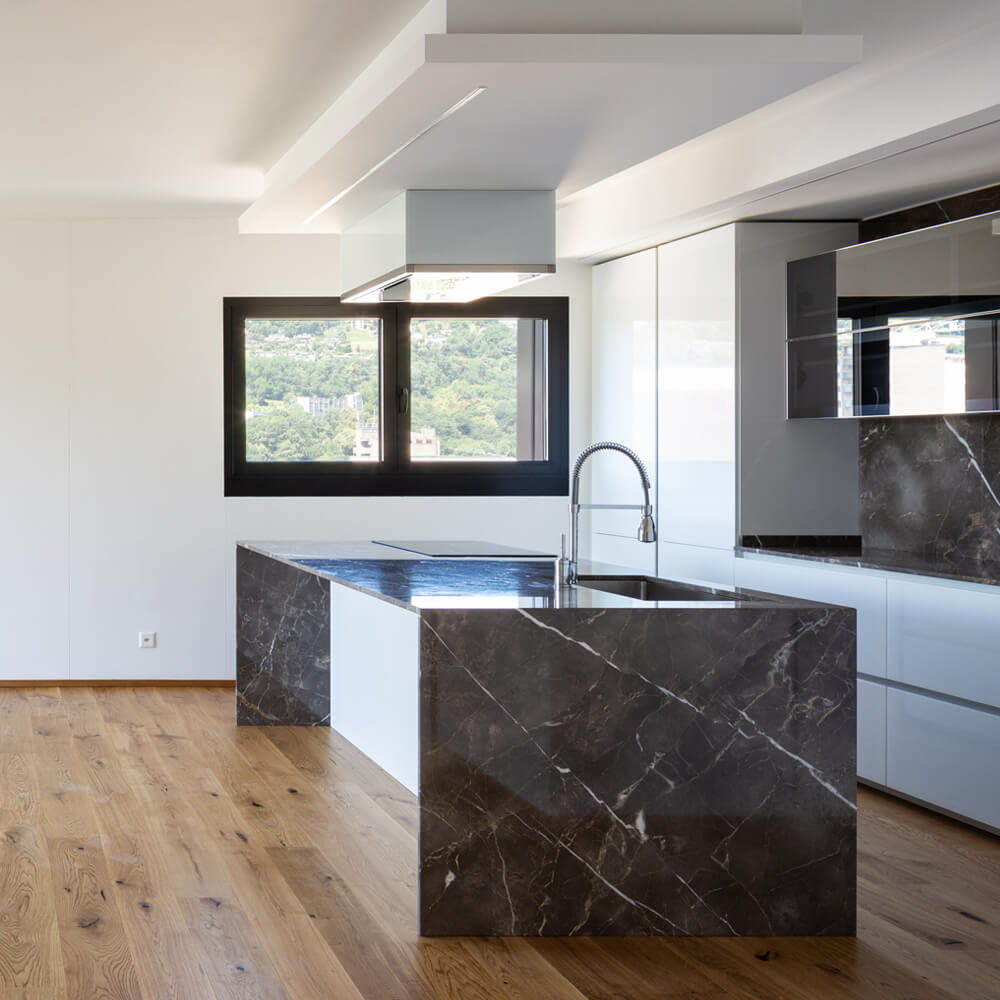




Marble countertops add natural beauty to kitchens and bathrooms, but long term performance depends heavily on how they are installed and maintained. Many homeowners choose marble for its smooth surface and classic look, yet few understand how important early decisions are during installation. From slab selection to daily care habits, every step affects how marble performs over time.
This guide explains practical marble countertop installation tips that support lasting performance. These tips help homeowners reduce wear, avoid surface damage, and protect their investment for years to come.
Choose the Right Marble Slab for Daily Use
Not all marble slabs perform the same way. Some varieties handle daily use better due to density and mineral composition. When selecting a slab, homeowners should focus on how the surface will be used rather than color alone. Kitchens need marble that can tolerate frequent cleaning, heat exposure, and spills.
Viewing full slabs helps identify natural veining and softness. Heavily veined slabs may look attractive but can show wear sooner. Selecting a slab with balanced patterning often leads to better long term performance, especially in busy kitchens and shared spaces.
Confirm Cabinet Strength Before Installation Begins
Marble is heavier than many countertop materials. Cabinets must support the weight without shifting. Weak or uneven cabinets increase the risk of cracks and stress points after installation.
Professional installers inspect cabinet level and stability before cutting marble slabs. This step helps ensure even weight distribution. Addressing cabinet issues early prevents costly repairs later. Strong cabinet support plays a major role in how marble countertops perform over time.
Work With Skilled Fabricators for Clean Cuts
Fabrication quality directly affects marble durability. Precise cutting reduces stress on the stone and helps seams align properly. Poor fabrication can create pressure points that weaken marble over time.
Experienced fabricators understand how marble behaves during cutting and polishing. They plan seam placement carefully and smooth edges to reduce chipping. Choosing a provider that handles fabrication and installation together helps maintain consistency throughout the project.
Plan Sink and Faucet Placement Early
Sink and faucet placement must be finalized before fabrication. Marble cutouts weaken the stone if placed incorrectly or adjusted later. Undermount sinks remain the most common option because they reduce edge exposure to water.
Farmhouse sinks and specialty designs require additional reinforcement. Faucet holes also need careful spacing to prevent cracking. Early planning ensures that marble remains strong around cutouts and performs well during daily use.
Use Proper Installation Techniques to Reduce Stress
Marble installation requires steady placement and correct leveling. Installers use specialized adhesives and supports to prevent movement. Uneven placement creates tension in the stone, which may lead to cracks over time.
Professional installers allow for natural expansion and contraction. This is especially important in areas where temperature changes occur throughout the year. Proper installation techniques protect marble from unnecessary stress and extend its lifespan.
Seal Marble Immediately After Installation
Marble is porous and absorbs liquids more easily than granite. Sealing creates a protective barrier that reduces staining. Installers usually apply a sealer after installation, but homeowners should confirm this step.
Some marble types need resealing based on use and exposure. Kitchens may require more frequent sealing than bathrooms. Keeping marble sealed helps maintain its appearance and supports long term performance.
Follow Simple Daily Care Practices
Daily care habits affect how marble ages. Cleaning with mild soap and water helps remove residue without damaging the surface. Acidic cleaners and abrasive tools should be avoided since they can dull marble.
Wiping spills quickly reduces the chance of stains. Using cutting boards and trivets helps prevent scratches and heat marks. Simple habits make a noticeable difference in how marble countertops perform over time.
Understand How Marble Compares to Other Stone Options
Marble offers a different experience compared to granite or quartz. Granite handles wear more easily, while marble provides a softer look that requires more care. Understanding these differences helps set realistic expectations.
Homeowners who want low maintenance may prefer granite. Those who value appearance and are willing to follow care routines often choose marble. You can explore stone countertop alternatives and services here:
Start Your Marble Countertop Installation With Confidence
Marble countertops can perform well for many years when installed correctly and cared for consistently. From slab selection to sealing and daily habits, each step supports long term results. Working with experienced professionals helps avoid issues and protects your investment.
Contact us today to discuss marble installation options and plan a project that supports lasting performance in your home.
FAQs
1. How long do marble countertops last after installation?
Marble countertops can last for decades when installed correctly and cared for with regular sealing and gentle daily cleaning.
2. Do marble countertops need to be sealed?
Yes, marble is porous and sealing helps reduce staining and surface damage. Most kitchens need resealing more often than bathrooms.
3. Is marble suitable for kitchen countertops?
Marble works in kitchens, but it requires more care than granite. Homeowners should clean spills quickly and avoid acidic cleaners.
4. Can marble crack during installation?
Marble can crack if cabinets are uneven or if installation techniques are poor. Professional installation helps prevent this issue.
5. How does marble compare to granite countertops?
Marble offers a softer appearance, while granite handles daily wear more easily. Granite usually requires less maintenance over time.

Stone Countertops in Crossville: What to Expect From Local Installers
What Homeowners Should Know Before Installing Granite Countertops in Tennessee